

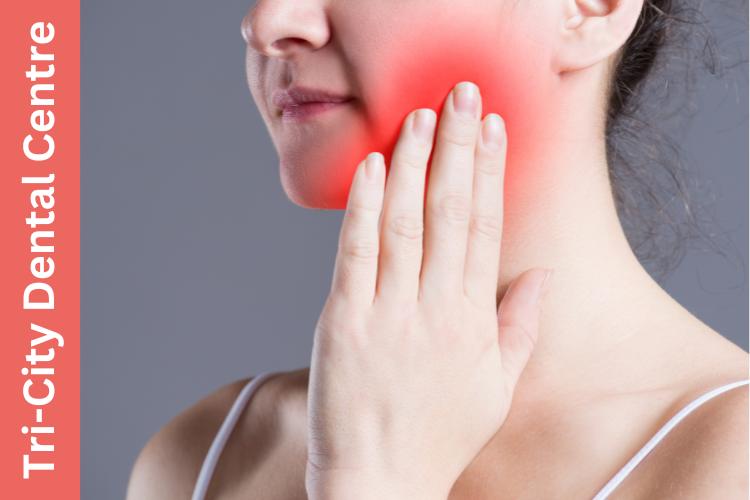
Why Teeth Feel More Sensitive in Cold Weather
Have you ever stepped outside on a cold day and felt a sudden sharp ache in your teeth? You are not alone. Many people notice that their teeth feel more sensitive during the colder months. That quick sting can make winter walks, cold drinks, and even breathing through your mouth feel uncomfortable.
While cold weather does not create dental problems on its own, it can make existing issues more noticeable. If your teeth already have worn enamel, exposed roots, small cracks, or gum recession, winter can make those weak spots much easier to feel. The good news is that tooth sensitivity in cold weather can often be managed with the right care and habits.
Let us look at why this happens and what you can do to keep your smile more comfortable this season.
Why Cold Weather Can Trigger Tooth Sensitivity
Your teeth are protected by a strong outer layer called enamel. Under that layer is dentin, which contains tiny pathways leading to the inner part of the tooth. When enamel wears down or the gums recede, those pathways become less protected. That means cold air, cold food, and sudden temperature changes can reach the sensitive nerves inside your tooth more easily.
Winter can make this problem feel worse because the air is colder and drier. If you breathe through your mouth outside, cold air can hit your teeth directly. Even coming in from the cold and drinking a hot coffee can create a sharp contrast in temperature that sensitive teeth do not like.
For some people, winter sensitivity is mild and temporary. For others, it is a sign that the tooth needs attention.
Common Reasons Teeth Become Sensitive
There is usually more than one reason behind tooth sensitivity. In many cases, the cold weather simply brings attention to a problem that was already starting.
Worn Enamel
Enamel can wear down over time. Brushing too hard, using a hard-bristled toothbrush, grinding your teeth, and eating acidic foods too often can all contribute to enamel wear. Once the enamel gets thinner, your teeth have less protection from outside temperatures.
Gum Recession
When gums pull away from the teeth, they expose the root surfaces. Roots do not have the same enamel protection as the tops of your teeth. That makes them much more sensitive to cold air and cold drinks.
Tooth Grinding or Clenching
Many people grind or clench their teeth without realizing it, especially during stress. This habit can wear down tooth surfaces and make teeth more sensitive. It may also lead to tiny cracks that let temperature changes irritate the tooth more easily.
Small Cracks or Cavities
A small crack or cavity may not always cause constant pain, but it can react strongly to cold temperatures. If one tooth feels much more sensitive than the others, it is a good idea to have it examined.
Recent Dental Work
Some people notice mild sensitivity after a filling, whitening treatment, or dental cleaning. This usually improves with time, but cold weather can make it feel stronger while the tooth settles.
Signs That Sensitivity Should Not Be Ignored
Not every twinge is serious, but some symptoms should not be brushed aside. It is worth booking a dental visit if you notice any of the following:
- Sensitivity that lasts for days or weeks
- Sharp pain in one specific tooth
- Discomfort when biting down
- Sensitivity that is getting worse instead of better
- Pain that also happens with sweets or hot drinks
- Visible gum recession or a chipped tooth
These signs may point to a cavity, a crack, gum problems, or enamel damage that should be treated before it becomes more serious.
How to Reduce Tooth Sensitivity in Cold Weather
If your teeth feel sore in winter, a few simple changes can make a big difference.
Use Toothpaste for Sensitive Teeth
Sensitivity toothpaste is made to help block the signals that travel from the tooth surface to the nerve. It often takes a little time to work, so use it consistently rather than expecting instant results after one brushing.
Brush Gently
Brushing harder does not mean brushing better. A soft-bristled toothbrush and gentle pressure help clean your teeth without wearing down enamel or irritating the gums further.
Avoid Extreme Temperature Swings
Going from icy air to very hot drinks can trigger discomfort. Try to let hot drinks cool slightly and be careful with foods and drinks that are very cold right after being outside.
Breathe Through Your Nose Outdoors
Breathing through your mouth exposes your teeth directly to cold air. If possible, breathe through your nose when outside. A scarf over your mouth may also help reduce the shock of cold air.
Watch Acidic Foods and Drinks
Frequent exposure to acidic foods and drinks can weaken enamel over time. Soft drinks, citrus fruits, sports drinks, and sour candies are common examples. Try to enjoy them in moderation and rinse with water afterward.
Ask About Night Guards
If grinding or clenching is part of the problem, a custom night guard may help protect your teeth from further wear and reduce sensitivity over time.
Professional Treatments That May Help
If home care is not enough, your dentist can recommend treatments based on the cause of your sensitivity. The right solution depends on whether the problem is enamel wear, exposed roots, tooth damage, or something else.
Treatment may include:
- Fluoride applications to strengthen tooth surfaces
- Bonding to cover exposed areas
- Fillings for cavities
- Treatment for gum recession
- A night guard for grinding and clenching
- Evaluation of cracked or damaged teeth
Getting the cause checked early is the best way to avoid bigger discomfort later.
Do Not Let Winter Tooth Pain Become a Bigger Problem
It is easy to dismiss tooth sensitivity as something small, especially when it only seems to happen in winter. But your teeth are often telling you that something needs attention. A little sensitivity today can turn into a larger issue if the underlying cause is ignored.
If cold weather is making your teeth ache, it may be time for a dental checkup. Finding the reason early can help you stay comfortable and protect your smile through the season.
Visit TriCity Dental Centre for Sensitive Teeth Care
If you are dealing with tooth sensitivity in cold weather, our team at TriCity Dental Centre is here to help. We can examine your teeth, identify the cause of the discomfort, and recommend the right treatment to keep your smile healthy and comfortable.
Contact TriCity Dental Centre today to book your appointment and get relief from winter tooth sensitivity.