

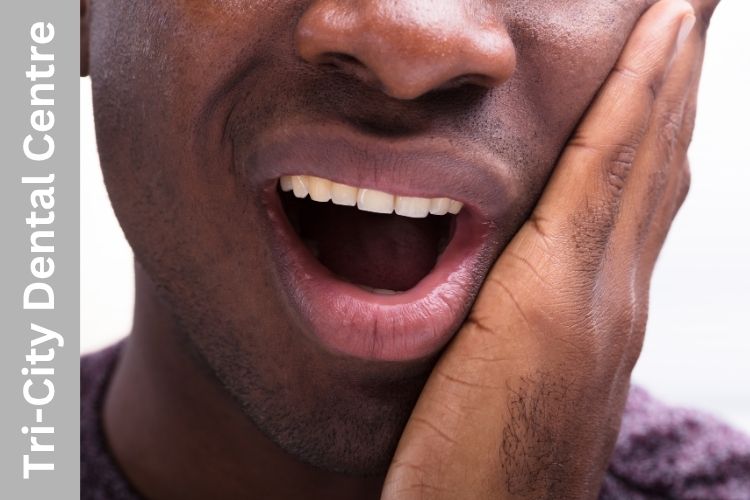
Why Do My Teeth Hurt When I Breathe in Cold Air? Understanding Tooth Sensitivity
You step outside on a chilly morning and take a deep breath. Suddenly, one or more teeth respond with a quick, sharp sensation.
Cold-air sensitivity can be surprising, especially when eating and drinking normally does not bother you.
Occasional sensitivity does not always mean something is seriously wrong. However, repeated or worsening discomfort should not be ignored.
A Coquitlam dentist can examine sensitive teeth and help determine what may be causing the reaction.
Why Can Cold Air Make a Tooth Hurt?
Your teeth have several layers. Enamel protects the visible crown, while cementum helps protect the tooth root.
Under these protective surfaces is dentin. Dentin contains microscopic tubules that can transmit sensations toward the inner tooth.
When dentin becomes exposed, cold temperatures may trigger a short, sharp response.
The reason for that exposure can vary from one patient to another.
1. Gum Recession Can Expose Sensitive Root Surfaces
Gum tissue normally protects the roots of your teeth. When gums recede, part of the root surface can become exposed.
Root surfaces do not have the same enamel protection as the crowns of your teeth.
This can make them more responsive to cold air, drinks, or foods.
Gum recession can have several causes. These include gum disease, tooth position, and aggressive brushing.
Your dentist can assess your gums and identify areas that need attention.
2. Worn Enamel May Increase Sensitivity
Enamel is extremely strong, but it can still experience wear over time.
Frequent exposure to acidic foods and drinks can contribute to enamel erosion. Grinding and other mechanical forces may also cause wear.
As the protective surface changes, the underlying tooth may become more sensitive.
You might notice discomfort from cold air, ice water, or refrigerated foods.
3. A Cavity Can Cause Cold Sensitivity
Tooth decay can damage the protective structure of a tooth.
Some cavities cause no obvious symptoms during their early stages. Others may produce sensitivity to cold, sweets, or pressure.
A sensitive tooth cannot be diagnosed based on symptoms alone.
Your dentist may use an examination and dental X-rays when appropriate to identify decay.
If you are searching for a dentist near me because one tooth has developed new sensitivity, consider having it assessed.
4. A Cracked Tooth Could Be Responsible
A crack can sometimes allow temperature changes to affect sensitive areas inside a tooth.
Symptoms vary depending on the location and extent of the crack.
You may experience cold sensitivity, discomfort when chewing, or pain when releasing biting pressure.
Some cracks are difficult to see without a professional examination.
Early evaluation is important because treatment depends on the type of damage present.
5. Recent Dental Treatment Can Temporarily Affect Sensitivity
Some patients experience temporary sensitivity after certain dental procedures.
A recently restored tooth may respond differently to temperature for a period after treatment.
Your dentist can explain what is expected based on the procedure you received.
Contact the dental office if sensitivity becomes severe, persists, or gets worse.
You can explore our dental services to learn more about preventive and restorative care.
6. Teeth Grinding May Contribute to Sensitivity
Grinding and clenching place repeated forces on your teeth.
Over time, these forces may contribute to tooth wear and other dental changes.
You may also notice jaw fatigue, headaches, flattened tooth surfaces, or tenderness when chewing.
Many people grind while sleeping and are unaware of the habit.
Your dental team can look for signs of grinding during an examination.
Why Is Sensitivity Sometimes Worse During Colder Weather?
Cold weather can make an existing sensitive area easier to notice.
Breathing through your mouth allows cool air to pass directly across your teeth.
A tooth with exposed dentin or another dental concern may respond quickly to that temperature change.
The weather itself does not necessarily mean your tooth has suddenly developed a new problem.
Instead, cold air may reveal sensitivity that was already present.
What Can You Do About Sensitive Teeth at Home?
Your home-care routine can help protect sensitive teeth, but it should not replace a professional assessment of persistent symptoms.
Consider these habits:
- Use a soft-bristled toothbrush.
- Brush gently instead of scrubbing.
- Use fluoride toothpaste.
- Ask about toothpaste designed for sensitive teeth.
- Limit frequent acidic foods and beverages.
- Avoid using whitening products excessively.
- Maintain regular dental examinations.
Desensitizing toothpaste may require consistent use before you notice improvement.
Your dentist or dental hygienist can recommend products suited to your individual needs.
Should You Stop Drinking Cold Water?
You do not necessarily need to permanently avoid cold foods and drinks.
Avoiding triggers may provide temporary comfort, but it does not identify why the tooth is sensitive.
If one particular tooth repeatedly reacts to cold, determining the cause is more useful than simply avoiding cold temperatures.
When Is Cold Sensitivity More Concerning?
Pay attention to how long the sensation lasts and whether your symptoms are changing.
Consider scheduling a dental examination if:
- One tooth suddenly becomes sensitive.
- The discomfort is becoming stronger.
- Pain continues after the cold stimulus is gone.
- You have pain when biting or chewing.
- You notice a crack or damaged filling.
- Your gums are swollen or tender.
- You develop spontaneous tooth pain.
Significant swelling, severe pain, or symptoms that worsen quickly may require urgent dental care in Coquitlam.
How Does a Dentist Treat Tooth Sensitivity?
There is no single treatment for every sensitive tooth. Treatment depends on the underlying cause.
For some patients, changes in oral hygiene products may be enough. Others may require treatment for decay, damaged restorations, or gum concerns.
Professional fluoride or other sensitivity-management options may also be appropriate in certain situations.
Your dentist should identify the cause before recommending treatment.
Can You Prevent Tooth Sensitivity?
Not every case can be prevented, but protecting your enamel and gums can reduce several risk factors.
Brush gently with fluoride toothpaste and clean between your teeth every day.
Avoid using excessive pressure when brushing. Limit frequent acidic drinks and avoid chewing hard objects such as ice.
Regular dental visits can also identify changes before they become more noticeable.
For additional preventive tips, explore the TriCity Dental Centre oral health blog.
Don’t Let a Quick Twinge Become Your New Normal
A brief reaction to cold air may seem minor, but recurring sensitivity is worth mentioning to your dental team.
The cause could be exposed dentin, gum recession, enamel wear, decay, or another dental condition.
Finding the cause allows you to address the problem instead of continually avoiding the trigger.
If cold air makes your teeth uncomfortable, contact TriCity Dental Centre to schedule an assessment.
TriCity Dental Centre
1111 Ponderosa St., Coquitlam BC
(604) 942-4242
www.tricitydentalcentre.com