

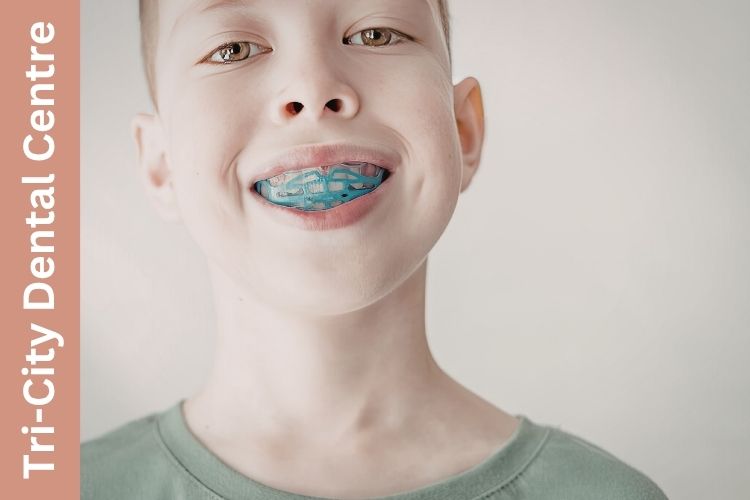
Before the Next Game: Does Your Child’s Sports Mouthguard Still Fit?
New skates? Check. Water bottle? Check. But when did you last check your child’s sports mouthguard?
For active families in Coquitlam, fall often means hockey, ringette, basketball, and other fast-moving sports.
You probably check your child’s helmet, shoes, and other equipment before a new season. However, mouthguards sometimes get overlooked.
A mouthguard that fit perfectly last season might not fit your child’s growing smile today.
The good news? You can spot many potential problems with a quick inspection.
Here are seven warning signs every parent should recognize before the next game.
Why Sports Mouthguard Fit Matters
Sports bring excitement, confidence, teamwork, and plenty of opportunities for physical activity.
They also bring occasional falls, collisions, and unexpected impacts.
A properly fitted mouthguard helps cushion blows to your child’s teeth and surrounding oral tissues.
It can reduce the risk of broken teeth, cuts, and other dental injuries.
However, your child’s mouth changes as they grow. New teeth appear, existing teeth shift, and jaw development continues.
These changes can affect how securely a mouthguard fits.
Even a previously comfortable guard may eventually need adjustment or replacement.
Your Coquitlam dentist can help evaluate whether your child’s current mouthguard still provides suitable protection.
Seven Signs Your Child’s Mouthguard Needs Attention
1. The Mouthguard Feels Loose
Does your child constantly bite down to keep their mouthguard in place?
A properly fitted guard should feel secure without requiring continuous clenching.
A loose mouthguard may shift during movement or impact.
If your child keeps adjusting it during practice, arrange a professional fit assessment.
2. Your Child Complains About Discomfort
A mouthguard should not cause persistent pain, sharp pressure, or irritated gums.
Discomfort might indicate that your child’s teeth or bite have changed.
Inspect the appliance for rough edges or areas that press against soft tissues.
Do not ignore repeated complaints about soreness.
3. Visible Cracks or Tears Have Appeared
Take a close look at your child’s mouthguard under good lighting.
Are there cracks, tears, holes, or noticeably worn areas?
These changes can weaken the material and reduce its protective performance.
Damaged mouthguards should be assessed and replaced when necessary.
4. The Guard Looks Too Small
Children’s teeth and jaws develop throughout childhood and adolescence.
A mouthguard purchased several seasons ago may no longer accommodate these changes.
Look for areas where teeth seem poorly covered or the guard no longer fits evenly.
A new fitting may be necessary.
5. Speaking or Breathing Feels Difficult
Your child should be able to breathe comfortably while wearing their mouthguard.
Some adjustment is normal, especially with a new appliance.
However, persistent breathing difficulties or significant speech interference may indicate an unsuitable fit.
Ask a dental professional to review the appliance.
6. Your Child Has Started Orthodontic Treatment
Braces and other orthodontic appliances can change mouthguard requirements.
As teeth move during treatment, the fit of an existing guard may change.
A mouthguard must accommodate orthodontic appliances without damaging brackets or irritating oral tissues.
Ask your dental or orthodontic team which protective option suits your child’s treatment stage.
7. An Unpleasant Smell Remains After Cleaning
Sports mouthguards collect saliva and microorganisms during use.
Without proper cleaning and drying, unpleasant odours and residue can develop.
A persistent smell may indicate that cleaning or storage practices need improvement.
If the guard also shows damage, staining, or deterioration, ask whether replacement is appropriate.
Which Sports Mouthguard Should You Choose?
Not every mouthguard offers the same comfort, fit, or protection.
There are three common options.
- Stock mouthguards: These come in predetermined sizes. They are inexpensive but may feel bulky or fit poorly.
- Boil-and-bite mouthguards: These soften in warm water and can be shaped around the teeth. They offer some customization, although their fit varies.
- Custom-fitted mouthguards: These are made using dental impressions or other fitting records. They generally provide a more precise fit and improved comfort.
The Canadian Dental Association recommends properly fitted mouthguards, particularly for contact sports.
Your dentist can help you evaluate the available choices.
Explore TriCity Dental Centre’s preventive and family dental services for more information about protecting your family’s oral health.
Simple Mouthguard Care Between Games
Good mouthguard care helps maintain hygiene and extends the appliance’s useful life.
Encourage your young athlete to follow these habits:
- Rinse the mouthguard after each use.
- Clean it gently using suitable cleaning products.
- Allow it to dry before storing it.
- Keep it inside a clean, ventilated protective case.
- Avoid hot water, direct sunlight, and excessive heat.
- Inspect it regularly for damage and poor fit.
Never leave a mouthguard loose at the bottom of a sports bag.
Bring it to a dental appointment whenever you have concerns about its condition.
You can also find additional family oral health tips on our dental health blog.
What Should You Do After a Sports-Related Dental Injury?
Even with suitable protection, accidents can happen.
If your child experiences a dental injury, stop the activity and assess the situation.
A chipped, loose, displaced, or painful tooth deserves prompt dental attention.
If a permanent tooth is completely knocked out, time becomes especially important.
Handle the tooth by its crown, not its root.
If safe and feasible, gently reposition it into its socket.
Otherwise, keep it moist in milk and seek immediate dental care.
Never attempt to reinsert a knocked-out baby tooth.
If you are uncertain which type of tooth was lost, contact a dental professional immediately.
For serious facial trauma, uncontrolled bleeding, or breathing difficulties, seek emergency medical attention.
Families needing urgent dental care in Coquitlam should contact a dental office promptly.
Frequently Asked Questions
How Often Should Children Replace Their Sports Mouthguards?
There is no single replacement schedule for every child.
Growth, orthodontic changes, damage, and frequency of use all affect mouthguard fit.
Check the appliance before each sports season and whenever your child reports discomfort.
A dentist can recommend replacement based on its condition.
Should My Child Wear a Mouthguard During Basketball?
Basketball involves jumping, collisions, elbows, and accidental contact.
A properly fitted mouthguard can help protect your child’s teeth during these activities.
Consider mouth protection for other sports involving falls or contact.
Can My Child Use Their Night Guard for Sports?
No. Night guards and athletic mouthguards serve different purposes.
Night guards primarily protect against grinding and clenching.
Sports mouthguards are specifically designed to help cushion impacts.
Ask your dentist which appliance is appropriate.
Keep Your Young Athlete’s Smile Game-Ready
Your child’s mouthguard deserves the same attention as their other protective sports equipment.
A quick fit check today may help prevent a painful dental injury tomorrow.
At TriCity Dental Centre, we help families understand their preventive dental care options.
Whether your child plays hockey, basketball, soccer, or ringette, dental protection matters.
Ready to check your child’s mouthguard?
Call our team or contact TriCity Dental Centre to request an appointment.
TriCity Dental Centre
1111 Ponderosa St., Coquitlam, BC V3B 7L3
Phone: (604) 942-4242
Website: www.tricitydentalcentre.com
Protect their smile. Let them enjoy the game.